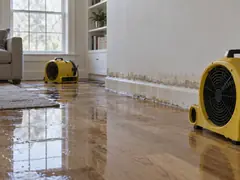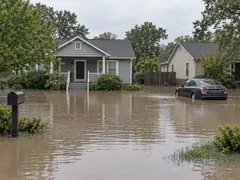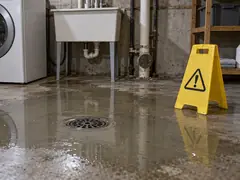
Common water damage situations
How the most common homeowners policy form, the HO-3, treats each one.
| Situation | Usually covered? | Why |
|---|---|---|
| Burst or frozen pipe | Usually | Sudden and accidental. A frozen pipe in a home left unheated can be excluded unless the water was shut off and the pipes drained. |
| Washer, dishwasher or water heater leak | Usually | The water damage is covered; the broken appliance isn’t. Some policies cap these claims. |
| Overflowing tub, sink or toilet | Usually | Accidental overflow is treated like any sudden leak from plumbing. |
| Roof leak in a storm | Depends | Rain inside is covered when wind or hail first damaged the roof or a wall. A worn-out roof isn’t. |
| Sewer or drain backup | Depends | Excluded unless you added water backup coverage, which pays up to the limit you chose. |
| Mold after a leak | Depends | Mold on things a covered leak damaged can be covered. Mold from a slow leak isn’t. |
| Slow leak under a sink | Usually not | Most policies exclude gradual leaks and seepage as an upkeep problem. |
| Groundwater through the foundation | Usually not | Water below the ground that seeps through floors or foundation walls is excluded. |
| Flooding from outside | No | Rising water needs a separate flood policy, from the NFIP or a private insurer. |
Based on the standard HO-3 policy form and state insurance department guides. Yours may add coverage or exclude more, so check the wording and your declarations page.
On this page
Four things insurers look at
Adjusters ask the same questions about almost every water claim.
Sudden or gradual
A pipe that burst today is covered. A drip that rotted the subfloor over months usually isn’t.
Where the water came from
Water from your plumbing or appliances is a homeowners claim. Rising water from outside is a flood claim.
Upkeep
Wear, rot and deterioration are excluded, so damage from a problem left unfixed can be denied.
What you added
Water backup coverage and other add-ons change the answer. They’re listed on your declarations page.
What insurance pays, and what you pay
Even when a claim is covered, the first check is smaller than the repair bill. Here’s a sample covered claim, priced with our calculator.
How to file a water damage claim
Do these in order. The first two protect the claim.
- 1
Stop the damage
Shut off the water and start drying. Policies require you to protect the home from more damage, and they pay reasonable costs to do it. Keep the receipts.
- 2
Document everything
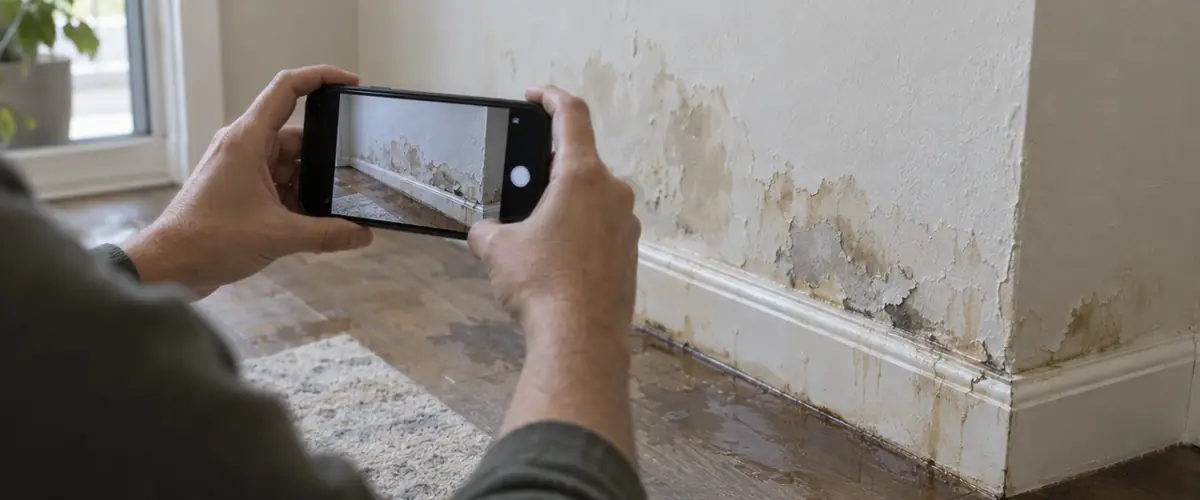
Photos and video of every room, the source and damaged belongings, before cleanup. Keep damaged items until the adjuster sees them, unless they’re a health hazard.
- 3
Report it promptly
Call your insurer or agent and write down the claim number. The standard policy requires prompt notice.
- 4
Keep the drying records
Get an itemized quote from the water damage company and a copy of its daily moisture log. The log shows why each day of equipment was needed.
- 5
Check the adjuster’s estimate
Compare it line by line with your contractor’s estimate and our price list. Ask for corrections in writing.
- 6
Collect the held-back amount
On a replacement-cost policy, send the final invoice and photos once the work is done. Tell the insurer within 180 days of the loss that you’ll claim it.
Questions people ask
Will my premium go up if I file a water damage claim?
It can. Texas’s insurance department says premiums can go up after claims and you can lose a claim-free discount, and New York’s says water claims can affect whether a home is seen as higher risk. Insurers can see the claims on a home from the past seven years in a CLUE report. Asking your insurer a question about your policy or deductible isn’t supposed to be reported there, Texas says. Texas also bars a rate increase for an appliance-related water claim if the repairs were inspected and certified, unless you’ve had three or more claims in three years.
Is a small water damage claim worth filing?
Compare the repair cost with your deductible first. The deductible comes off every claim, the smallest most insurers offer is $500 or $1,000, and a claim can affect your premium. If the damage costs less than the deductible, the insurer can close the claim without paying. Our calculator gives you a range before you call.
Does homeowners insurance cover mold from a leak?
Mold on things damaged by a covered leak can be covered. Mold from a slow leak usually isn’t. Most home policies don’t pay for mold testing or cleanup beyond removing what was damaged, Texas’s insurance department says. Read the mold section of your own policy before you count on it.
How long do I have to file a water damage claim?
Report it as soon as you can. The standard policy form requires prompt notice, and a signed proof of loss within 60 days if the insurer asks for one. States add their own limits: in Florida, a new claim must be reported within a year of the damage, and added damage within 18 months.
Does insurance pay the plumber?
Usually not for fixing the pipe or appliance itself. The standard policy pays to tear out and replace the wall or floor needed to reach the leak, and for the water damage, but not to repair the system or appliance the water came from.
Sources
The sample claim is priced with our calculator: drying prices from 10 published price sheets, repair prices built from published labor hours, federal wage data and store prices. Read the full methodology.
- Homeowners 3 – Special Form (HO 00 03 10 00), sample policy, ISO, hosted by the Insurance Information Institute.
- Which disasters are covered by homeowners insurance?, Insurance Information Institute.
- When are water damage and mold covered by insurance?, Texas Department of Insurance.
- Homeowners and tenants insurance guide, New York State Department of Financial Services.
- Watch out for insurance policies that limit your coverage for water damage, Washington Office of the Insurance Commissioner.
- Understanding your insurance deductibles, Insurance Information Institute.
- Will my premium go up if I file a claim?, Texas Department of Insurance.
- Check your property’s insurance claim history, Texas Department of Insurance.
- Why would my home insurance claim be denied or not paid?, Texas Department of Insurance.
- Actual cash value vs. replacement cost value, North Carolina Department of Insurance.
- Filing a home insurance claim, Texas Department of Insurance.
- Fla. Stat. 627.70132, notice of property insurance claim, Florida Senate.
- Published restoration price sheets (state and county contracts, contractor price lists), RestoreCost.