Step by step
Tick each one off as you go. Safety steps come first for a reason.
0 of 11 done
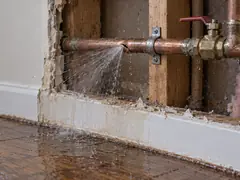
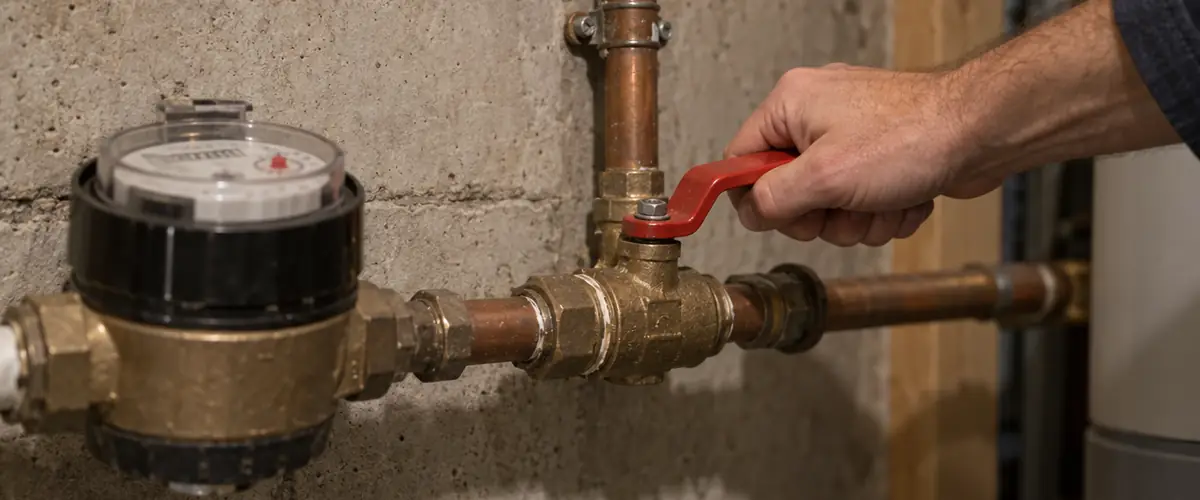
NowRight nowStop the water and stay safe
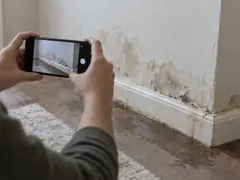
First hourDocument it and protect what you can
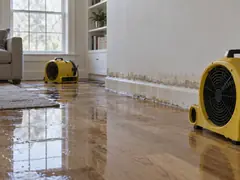
TodayGet the drying started
This weekKeep an eye on the drying
On this page
What to tell your insurer
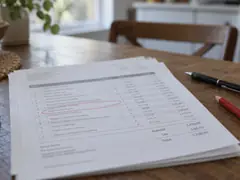
Have this in front of you when you call. Write down every answer, and the name of everyone you talk to.
On the call
- Your policy number, and the date and time the water started.If you don’t know exactly, give your best estimate and say so.
- Where the water came from and what it damaged.Say what you saw: a burst pipe, a leaking appliance, water through the ceiling.
- What you’ve done so far to stop the damage.Policies expect you to take reasonable steps to prevent more damage.
- Ask: what’s my claim number, and when will the adjuster call?
- Ask: can I hire a drying company now, and do I have to use yours?Washington’s insurance commissioner says you have the right to pick your own; other states say the same.
- Ask: if we can’t stay here, does my policy cover a hotel, and for how long?
What not to do
These are the ones that cost people money or make a claim harder.
- Don’t throw out damaged things yet. Your adjuster may need to see them. Photograph them and set them aside, unless they’re a health hazard.
- Don’t run the heating or air conditioning if water got into it. A flooded system can spread mold through the house. Have it checked first.
- Don’t make permanent repairs yet. Your insurer may not pay for repairs it didn’t authorize. Temporary fixes to stop the damage are fine; keep the receipts.
- Don’t sign anything you haven’t read. An assignment of benefits can let a contractor settle your claim with the insurer without you. You don’t need one to get the work done.
What it will cost
One room with gray water usually lands in this range, from drying through repairs. Clean water caught early costs less; sewage costs more. The full guide shows what moves the price.
Drying and repairsOne 200 sq ft room, Category 2 water
$3,650–$7,850
Midpoint $5,750
Estimate your costBuilt from 10 published price sheets, trade wages and store prices.
Sources
Costs come from our calculator: drying prices from 10 published price sheets, repair prices built from published labor hours, federal wage data and store prices. Read the full methodology.
- Unexpected indoor waterfall? Home or renters insurance might help, Texas Department of Insurance.
- Help after a storm, Texas Department of Insurance.
- Safety guidelines: reentering your flooded home, CDC.
- What to Do to Protect Yourself From Electrical Hazards, CDC.
- A Brief Guide to Mold, Moisture and Your Home, U.S. EPA.
- Flood Cleanup to Protect Indoor Air and Your Health, U.S. EPA.
- Post-disaster claims guide, NAIC.
- Filing a homeowner insurance claim, Washington Office of the Insurance Commissioner.
- Repairing Your Flooded Home (FEMA P-234), FEMA and American Red Cross.
- Mold Remediation in Schools and Commercial Buildings, Chapter 3, U.S. EPA.
- Published restoration price sheets (state and county contracts, contractor price lists), RestoreCost.